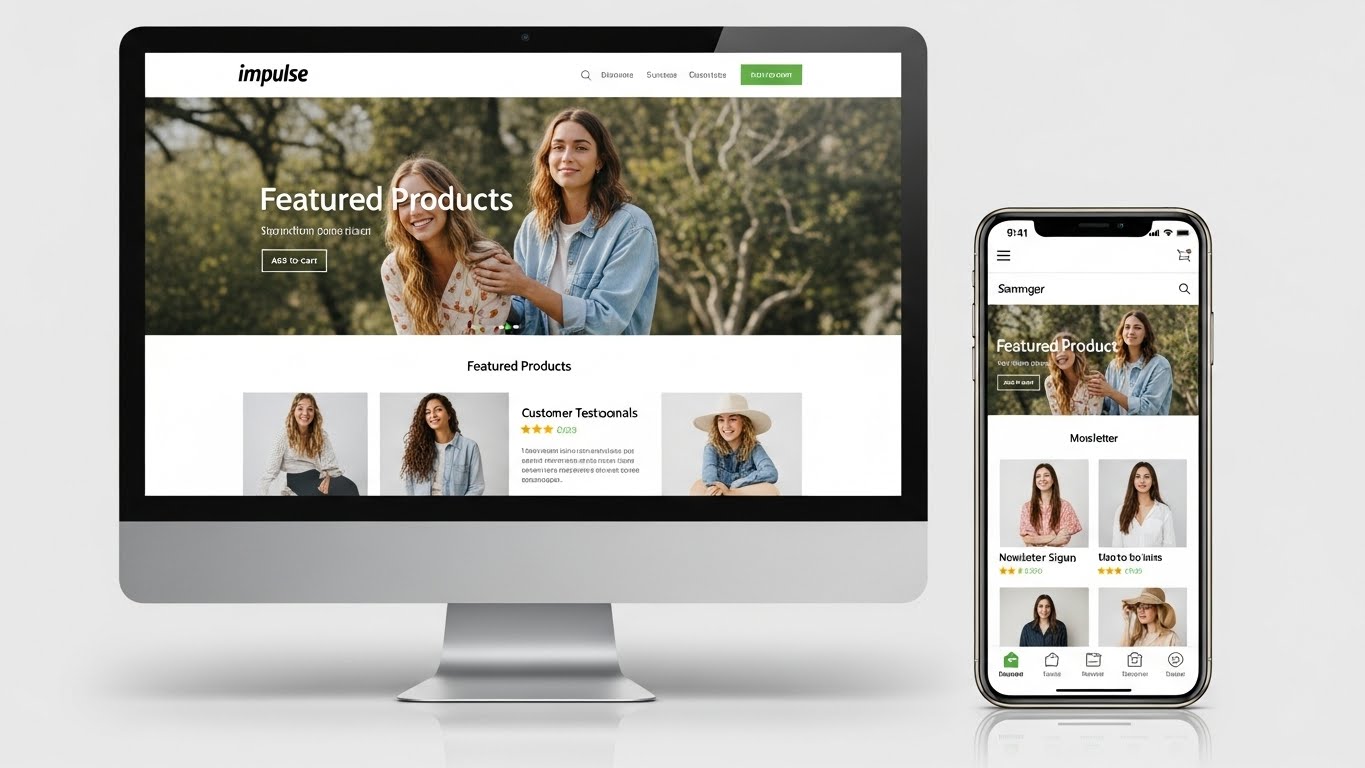
Looking for the best Shopify theme for a dropshipping store? Here’s an honest, experience-based review of the Impulse Shopify theme and how it performs in real stores.
Introduction: Why Most Dropshipping Stores Struggle Before the First Sale
If you’ve ever launched a dropshipping store and wondered why visitors bounce without buying, you’re not alone.
I’ve seen this play out dozens of times — decent product, solid supplier, ads bringing traffic… and still no conversions. In most cases, the issue isn’t the product. It’s the store experience.
That’s why people search for the best Shopify theme for dropshipping store setups. They’re not looking for something pretty. They’re looking for something that actually converts.
Over the years, testing stores for clients and reviewing Shopify themes hands-on, one theme consistently shows up as a strong, practical choice for dropshipping: the Impulse Shopify theme.
Not perfect. But very well thought out.
Let me explain why — without the hype.
What “Best Shopify Theme for Dropshipping Store” Actually Means
Here’s the thing most people miss.
The best Shopify theme for dropshipping doesn’t mean:
- The flashiest animations
- The most demo layouts
- Or the cheapest option
In a dropshipping context, “best” usually means:
- Loads fast on mobile
- Builds trust instantly
- Makes products feel intentional, not random
- Supports upsells and bundles naturally
- Doesn’t break when you start adding apps
Dropshipping is about momentum. You need a theme that supports that from day one, not one you’ll outgrow in two weeks.
Common Mistakes People Make When Choosing a Dropshipping Theme
Before we talk about Impulse, it’s worth calling out a few mistakes I see repeatedly.
1. Choosing a Theme Based on the Demo Only
Demos are polished. Real stores aren’t.
Many themes look great in previews but fall apart once you add:
- Real product descriptions
- Reviews
- Apps
- Shipping notices
Impulse handles “real content” better than most.
2. Overloading a Lightweight Theme
Minimal themes are great — until you start stacking apps. Then performance tanks.
Impulse is built to expect apps.
3. Ignoring Mobile UX
More than 70% of dropshipping traffic is mobile. Some themes still treat mobile as an afterthought.
That’s not the case here.
What I Look for When Choosing a Shopify Theme for Dropshipping
When I evaluate themes specifically for dropshipping stores, I focus on six things:
- Homepage product storytelling
- Product page flexibility
- Trust-building elements
- Mobile-first design
- App compatibility
- Scalability beyond one product
Impulse checks most of these boxes — which is why I keep coming back to it.
How the Impulse Shopify Theme Performs in Real-World Scenarios
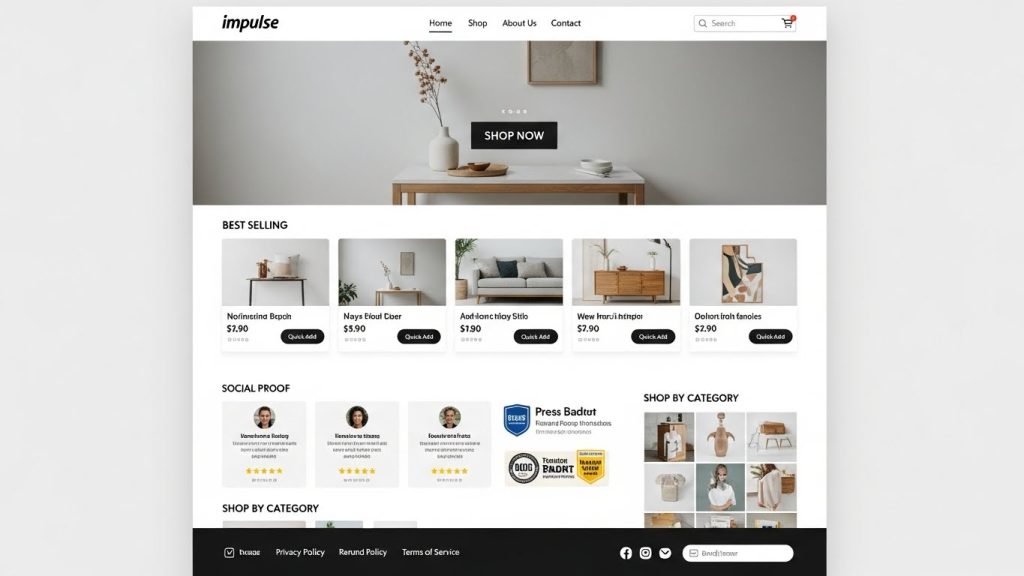
Impulse was clearly designed with conversion-driven brands in mind, not hobby stores.
Homepage Experience
The homepage structure works well for:
- One-product stores
- Branded niche stores
- Seasonal dropshipping campaigns
You can:
- Highlight best sellers
- Add urgency with promo banners
- Use visual sections without overwhelming the page
It feels intentional, not cluttered.
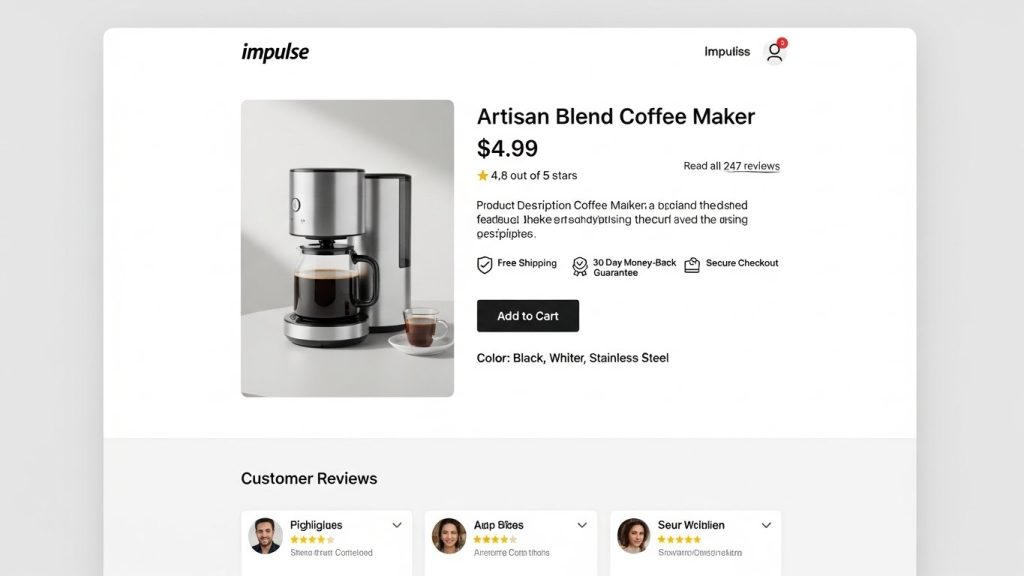
Product Pages That Actually Sell
Impulse product pages are where the theme shines.
You get:
- Sticky add-to-cart on mobile
- Clear product benefits sections
- Room for reviews without clutter
- Visual hierarchy that guides the eye
This matters more than people realize.
Design, UX, and Trust-Building Elements
Impulse doesn’t scream “dropshipping.”
That’s a good thing.
Subtle trust signals like:
- Clean typography
- Balanced spacing
- Logical navigation
All reduce buyer hesitation.
What I like most is how the theme supports:
- Brand storytelling
- Lifestyle imagery
- Social proof
Without forcing it.
Mobile Experience & Speed Implications
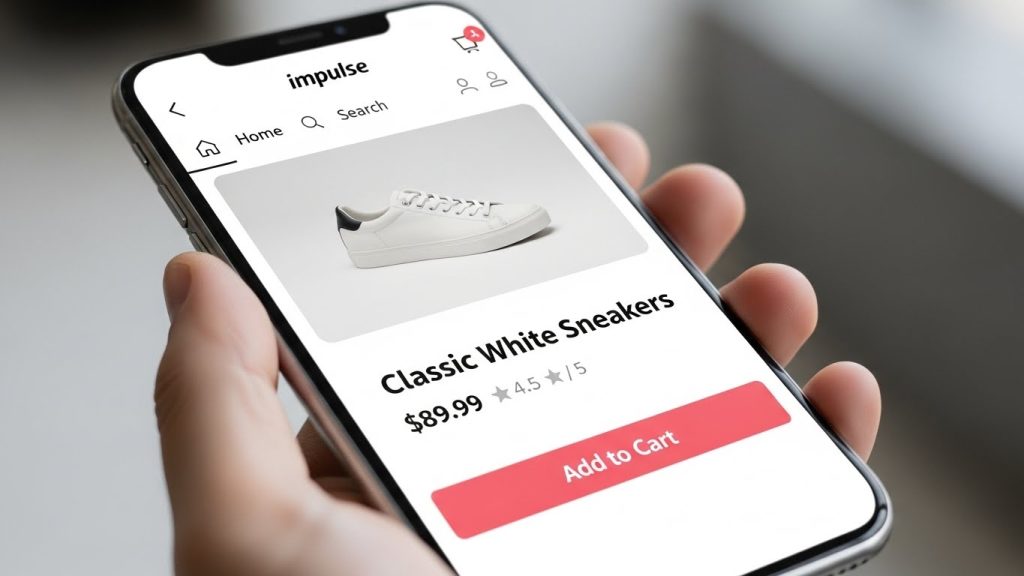
Impulse is genuinely mobile-first.
Not “mobile-friendly.” Mobile-first.
Buttons are thumb-friendly. Text is readable. Sticky elements don’t feel intrusive.
Speed-wise, performance depends on:
- Image optimization
- Apps installed
- Hosting setup
But compared to many feature-heavy themes, Impulse stays relatively lean.
App Compatibility & Scalability
This is where many themes quietly fail.
Impulse works well with:
- Review apps
- Upsell and bundle apps
- Page builders
- Subscription tools
You can start simple and scale without redesigning your store.
That matters if you plan to test products quickly.
SEO & Conversion Performance (Practical Lens)
Impulse doesn’t magically rank your store.
But it doesn’t get in your way either.
From an SEO standpoint:
- Clean HTML structure
- Proper heading hierarchy
- Fast load times when configured well
For conversions:
- Built-in promo sections
- Flexible product templates
- Easy A/B testing layouts
You still need good copy. The theme just supports it.
Best Use Cases (And Who Should NOT Use Impulse)
Best For:
- Dropshippers building branded stores
- One-product or few-product funnels
- Stores planning to scale
- Sellers who care about UX
Not Ideal For:
- Ultra-minimalists
- Large catalogs with hundreds of SKUs
- People who never customize anything
Impulse rewards intention.
Pros & Cons (Honest Breakdown)
Pros
- Excellent product page layouts
- Strong mobile UX
- Scales well with apps
- Feels premium without being flashy
Cons
- Not the cheapest theme
- Slight learning curve for customization
- Overkill for very basic stores
Impulse vs Other Popular Shopify Themes
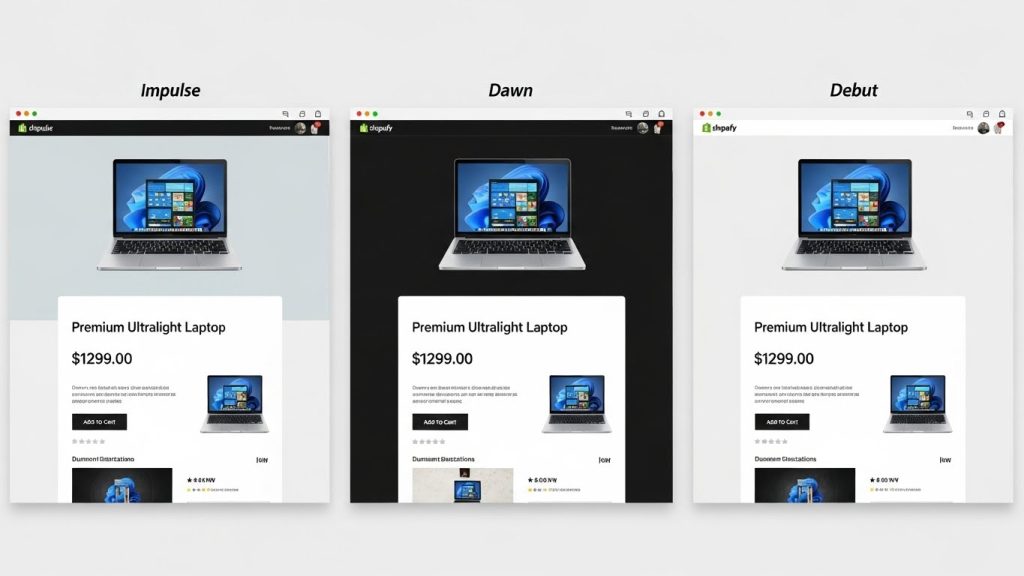
| Theme | Best For | Limitations |
|---|---|---|
| Impulse | Dropshipping & scaling brands | Not minimal |
| Dawn | Beginners | Limited features |
| Debut | Simple stores | Outdated UX |
Impulse sits in the sweet spot — more powerful than Dawn, more modern than Debut.
Frequently Asked Questions
Is Impulse good for dropshipping beginners?
Yes, especially if you plan to grow beyond your first product.
Can I use Impulse for one-product stores?
Absolutely. It works very well for focused funnels.
Does Impulse slow down Shopify stores?
Not inherently. Performance depends on setup.
Is Impulse mobile-optimized?
Yes. Mobile UX is one of its strengths.
Does it support upsells and bundles?
Yes, both natively and through apps.
Is Impulse SEO-friendly?
It provides a solid technical foundation.
Can I customize Impulse without coding?
Mostly yes, through Shopify’s editor.
Is it worth paying for a premium theme?
If conversions matter, usually yes.
Internal & External Linking Suggestions
Internal Topics to Link:
- How to optimize Shopify product pages for conversion
- Dropshipping store UX mistakes
- Best Shopify apps for scaling
External References:
Is Impulse Right for You?
If you’re serious about building a dropshipping store that doesn’t look or feel generic, Impulse is worth considering.
I personally recommend it to sellers who want:
- Flexibility
- Strong product presentation
- A theme they won’t outgrow quickly
I make the theme available through Gumroad for convenience, especially for creators who prefer straightforward access and setup.
No pressure. Just an option that works.
Final Thoughts
There’s no single “perfect” Shopify theme.
But when it comes to choosing the best Shopify theme for dropshipping store setups, Impulse consistently delivers where it matters — UX, mobile performance, and scalability.
It won’t fix bad products or weak copy.
But it gives you a solid foundation to build something real.
And in dropshipping, that’s often the difference between testing endlessly and actually seeing sales.
