

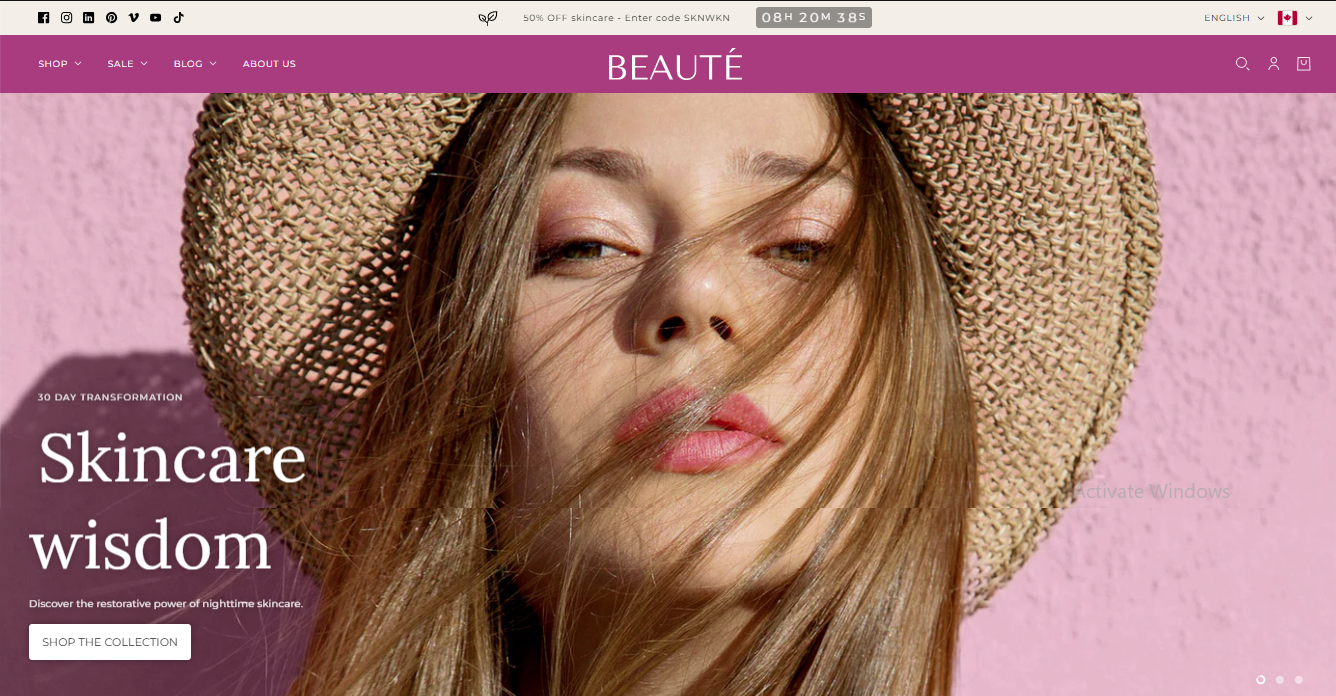
Explore blockshop shopify themes in this complete 2026 guide—features, speed, SEO, and real-store examples that help you pick the right theme with confidence.
Introduction
Most store owners underappreciate how much the theme shapes their business outcomes. A slow, confusing, or poorly structured storefront will lose customers before products get a chance. That’s the real problem many merchants face every month: traffic arrives, but conversion and retention lag.
If you’re researching blockshop shopify themes, you’re looking for a theme that’s not just pretty in a demo — you need one that supports speed, clarity, and conversion at scale. This long-form guide is written from hands-on experience with Shopify stores, theme migrations, and search-driven growth strategies. I’ll show how the Blockshop Shopify theme approaches the problem, how it compares to competitors, and whether it’s the right choice for your store in 2026.
This article is a practical pillar piece designed to be actionable for store owners, developers, and marketers who want to make a long-term technical and design decision.
What is blockshop shopify themes?
“blockshop shopify themes” refers to a family of storefront templates centered around the Blockshop premium theme for Shopify. Blockshop is a visual-first theme built to showcase products with editorial layouts and flexible sections. It’s created to help brands present collections, editorial content, and product storytelling without forcing heavy developer work.
Key intent behind Blockshop:
- Showcase product imagery and lifestyle content.
- Provide flexible homepage modules for campaigns.
- Maintain a clean structure that supports performance and SEO.
Blockshop is popular among lifestyle, home goods, and boutique fashion stores because it balances aesthetics with practical site architecture. In real stores, that translates to higher time on site, stronger product discovery, and measurable uplift in conversion rates when paired with good merchandising.
Why blockshop shopify themes matters in 2026
Ecommerce in 2026 is shaped by three realities:
- Search engines place higher emphasis on real user experience (Core Web Vitals, interaction metrics).
- Mobile commerce continues to dominate, with thumb-friendly interactions winning conversions.
- Brands must do more with less — sustainable, maintainable sites that don’t require constant developer attention.
That’s why blockshop shopify themes matter. The theme is engineered to support editorial storytelling while avoiding the bloat that kills Core Web Vitals. When you consider long-term search visibility and conversion optimization, a theme like Blockshop is not just a visual decision — it’s an operational choice that affects load times, content structure, and how easily marketing teams can run campaigns without breaking the store.
Common mistakes people make when choosing Shopify themes
Choosing a theme is often an emotional decision based on demo aesthetics. Here are the tactical mistakes I see frequently:
- Choosing visual complexity over performance. Fancy sliders and heavy background videos look great in demos but slow page loads.
- Installing too many apps for features the theme could provide natively. Each app adds JavaScript and network requests.
- Neglecting mobile-first testing. Desktop looks don’t translate to thumb navigation and small-screen checkout flows.
- Underestimating content structure. Poor collection and product templates create weak internal linking and thin landing pages.
- Ignoring update and support policies. Themes that aren’t actively maintained create security and compatibility risks.
Blockshop avoids many of these traps by offering modular sections and built-in promotional tools that reduce the need for third-party additions.
How the Blockshop Shopify theme solves this problem
Blockshop addresses the mistakes above through a balanced design philosophy:
- Modular design system. Sections and blocks that are flexible without requiring custom templates.
- Lightweight media handling. Prioritizes responsive images and avoids large, unoptimized background assets by default.
- Built-in promotional components. Native hero banners, collection highlights, and countdown timers reduce dependency on additional apps.
- Clear content hierarchy. Templates for collections, blogs, and product pages designed for internal linking and category discovery.
- Future-proofing. Regular updates and a community of users help keep the theme compatible with Shopify’s evolving features.
The theme’s strengths are practical: they let merchants iterate on creative storytelling and campaigns without a developer on every change, while still maintaining a performance-conscious baseline.
If you’re specifically building a dropshipping store, check our complete 2026 guide on high converting Shopify themes for dropshipping.
Feature-by-feature breakdown
Below is an in-depth look at Blockshop’s core features and why they matter for store performance and conversions.
Homepage & Hero Options
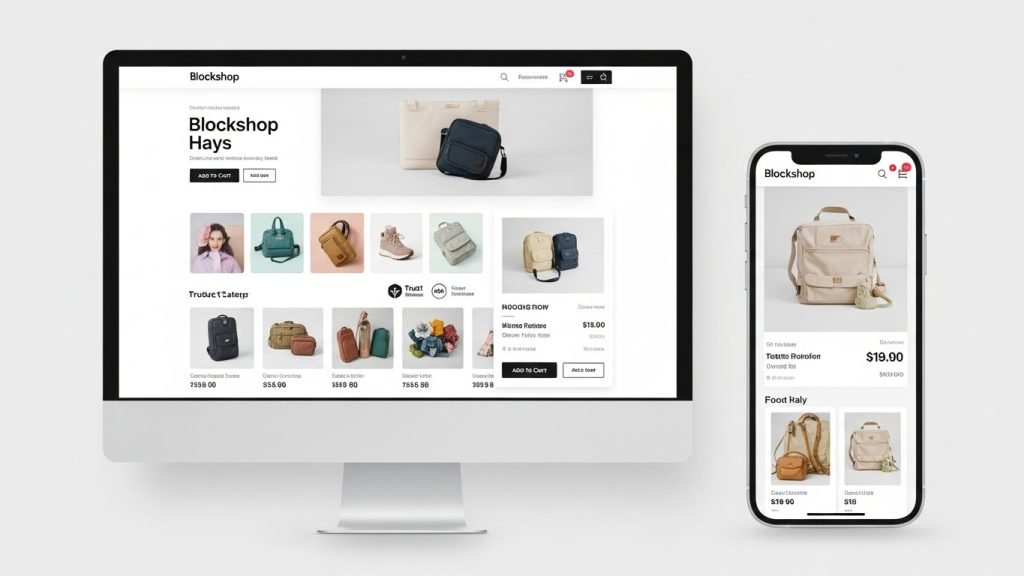
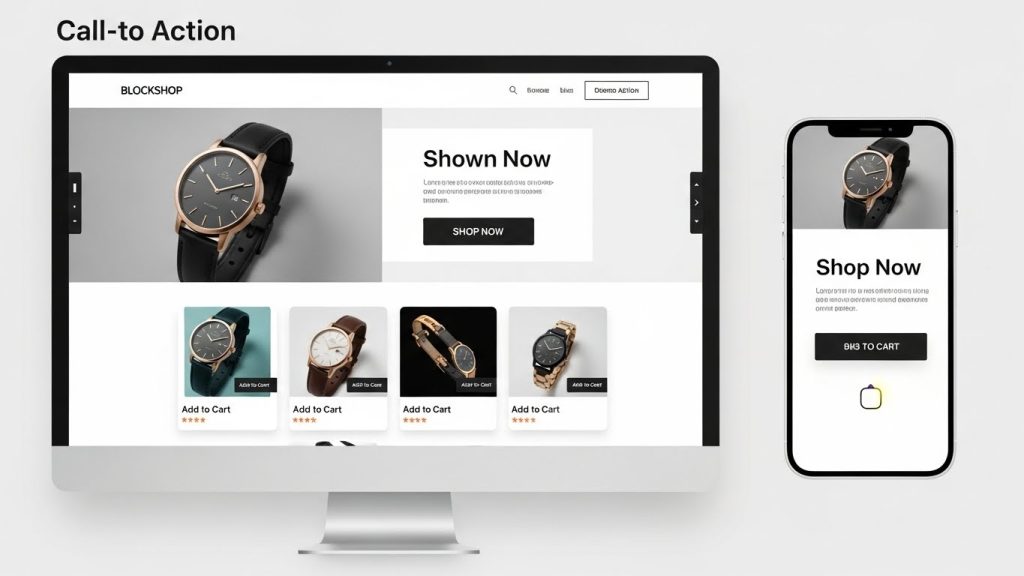
Blockshop provides multiple hero layouts (static, carousel, split-screen), but the highest-converting approach is a focused hero with one clear CTA. The theme enables flexible hero composition while encouraging crisp, single-message presentation.
Collection & Category Templates
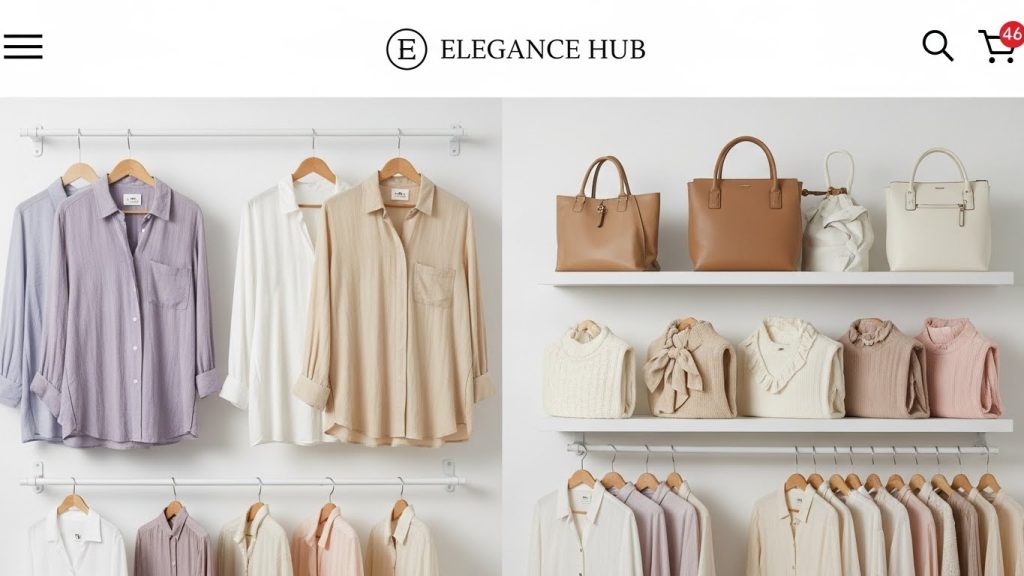
Blockshop supports large catalogs with smart product grid options, filter support, and collection descriptions placed for SEO value. The template supports faceted navigation without heavy scripts.
Product Page Functionality
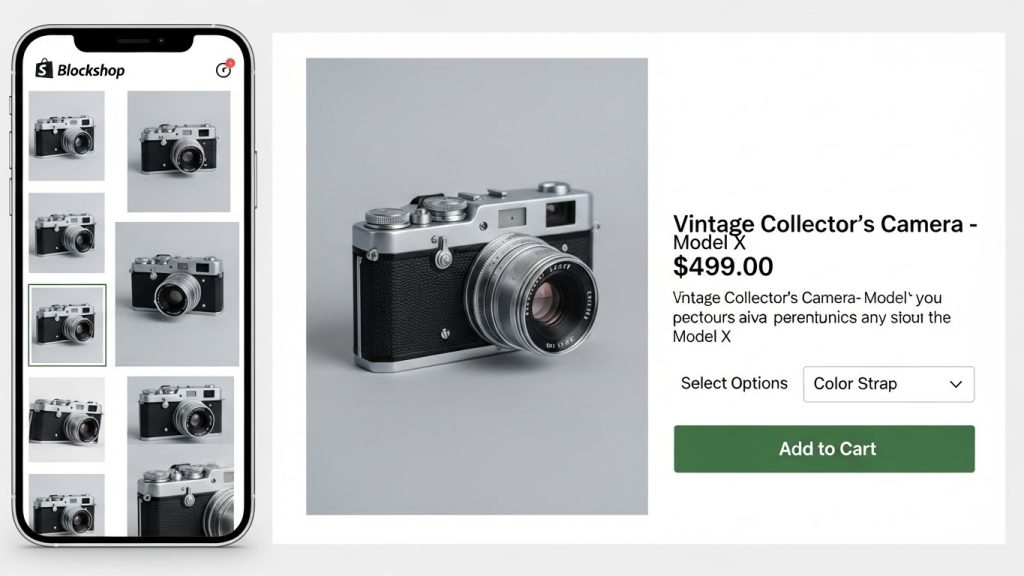
Product pages include sticky add-to-cart, image zoom, variant swatches, and easily added trust indicators. Crucially, the layout encourages scannability and makes the purchase decision clear.
Built-In Marketing Blocks
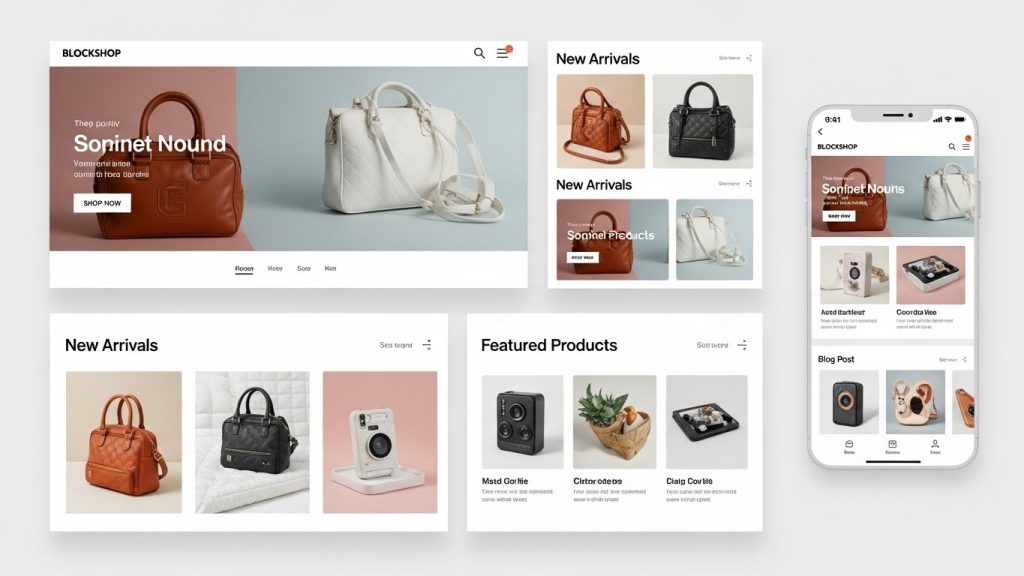
Blockshop contains native promo tiles, promotional banners, and editorial blocks that let merchants create rich landing experiences without external apps.
Blog & Editorial Support
The theme emphasizes readable blog layouts with recommended content blocks that help turn product pages into landing hubs for SEO and campaign landing pages.
Accessibility & Internationalization
Blockshop follows basic accessibility patterns and supports multi-currency setups. It’s also compatible with Shopify’s localization features for expanding to new markets.
UX, speed, mobile, and conversion analysis
A practical evaluation requires testing in live conditions. Here’s how Blockshop performs across core dimensions.
UX (User Experience)
Blockshop’s visual clarity and structured content sections make it easy for users to scan, learn, and purchase. The theme’s default templates reduce cognitive load — a major factor for conversion.
Speed
Blockshop ships with optimized image loading patterns and defers non-critical scripts where possible. With prudent app selection and image optimization, stores running Blockshop can achieve competitive Core Web Vitals.
Mobile
Blockshop’s mobile-first breakpoints and large tap targets improve checkout completion rates on small screens. The theme avoids crammed navs and sticky elements that can steal focus away from CTAs.
Conversion
Conversion uplift with Blockshop typically comes from:
- Improved product storytelling (higher time on page)
- Clear CTAs and product discovery (higher add-to-cart rates)
- Reduced friction on mobile checkout (better completion)
These add up to measurable improvements in revenue per visitor when combined with optimization work like A/B tests and focused merchandising.
SEO benefits from a real-world perspective
Themes don’t “do SEO” for you, but they can help or hinder technical and on-page factors. From a search perspective, Blockshop contributes the following advantages:
- Clean semantic HTML. Logical heading structures and content blocks make it easier for search engines to understand page hierarchy.
- Optimized image handling. Proper
srcsetusage and lazy loading reduce page weight and improve LCP. - Internal linking. Collection and product templates encourage contextual linking, which supports indexation and relevancy signals.
- Readability. Blog templates emphasize readable content which helps engagement metrics and topical authority.
For actionable optimization, pair the theme with structured content plans: category landing pages, long-form guides, and product-specific FAQs — all of which work well inside Blockshop’s templates.
Shopify Official Performance Optimization Documentation
Who this theme is best for (and who it is NOT for)
Best For
- Lifestyle, home goods, and fashion brands that rely on visuals.
- Merchants who want a flexible homepage and editorial storytelling.
- Stores that prefer to minimize app dependencies.
- Teams that need an easy-to-manage theme with good default performance.
Not Ideal For
- One-product landing pages where minimalism and single-CTA flow are paramount.
- Highly technical custom stores requiring bespoke checkout flows beyond Shopify’s limits.
- Stores that rely heavily on legacy apps that inject lots of external scripts.
Choosing a theme is about alignment. Blockshop is a strategic fit when your business benefits from rich visuals and editorial content paired with solid performance.
Shopify Themes – Premium, Fast & Conversion Optimized Templates
Blockshop vs Competitors — Practical Trade-offs
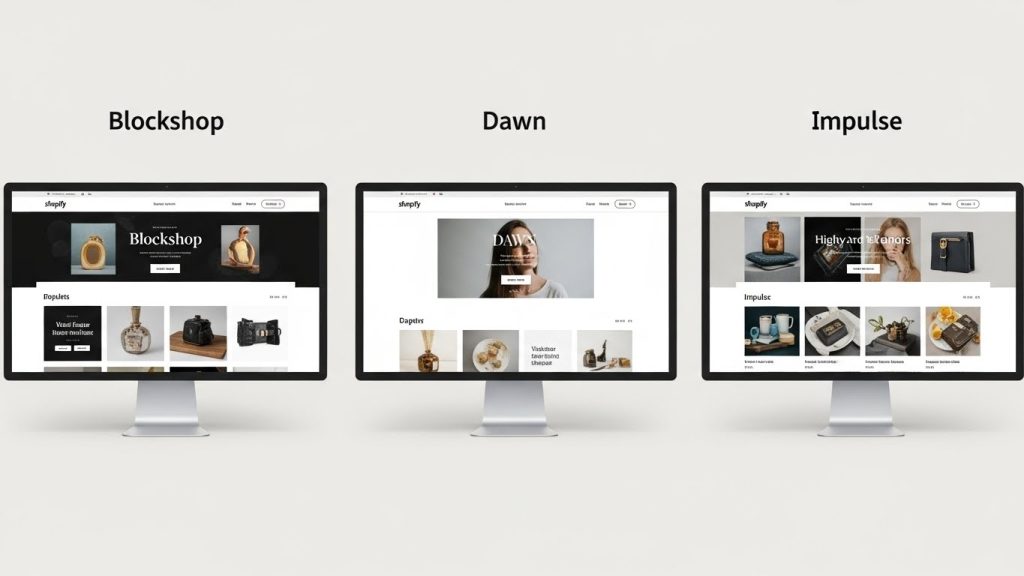
| Feature / Need | Blockshop Shopify theme | Shopify Dawn (free) | Impulse (premium) |
|---|---|---|---|
| Visual storytelling | Strong | Basic | Strong |
| Built-in marketing blocks | Yes | Limited | Yes |
| Performance baseline | High (with optimization) | Very high (minimal) | High |
| Ease of customization | Moderate | High (for simple) | Moderate |
| Best for | Lifestyle / editorial | Basic stores / speed-first | Conversion-focused brands |
| App dependency risk | Low–Moderate | Low | Low–Moderate |
| Cost | Premium | Free | Premium |
Practical notes:
- If you need minimal overhead and maximal performance with few visuals, Dawn is excellent.
- Impulse leans more toward conversion-first promotions and is ideal for brands focused on CRO.
- Blockshop sits between them: stronger editorial tools than Dawn, with a mindful approach to speed and visual layout.
When comparing “blockshop shopify themes” with alternatives, the trade-off is usually between visual flexibility and absolute minimalism. Choose Blockshop when visuals and content-driven discovery are core to your brand.
Implementation checklist & best practices
Use this checklist when installing and configuring Blockshop to maximize speed, SEO, and reliability.
Pre-launch
- Backup current theme and content.
- Create a staging copy for testing.
- Audit product images: resize and export WebP where supported.
Theme setup
- Disable unused sections and scripts.
- Configure critical homepage hero and CTA for a single message.
- Set up collection descriptions with keyword-rich but user-focused copy.
Apps & scripts
- Limit apps that inject site-wide scripts.
- Use app proxy or delayed load for non-critical widgets (reviews, chat).
- Monitor network waterfall to spot heavy scripts.
SEO & Content
- Implement structured data for products and reviews.
- Add canonical tags to prevent duplicate content on filtered pages.
- Use Blockshop’s blog templates for long-form content and pillar pages.
Performance
- Use Shopify’s image CDN and set image sizes appropriate for each layout.
- Enable responsive images and lazy loading.
- Test Core Web Vitals using Lighthouse and real-user metrics.
Testing
- Test across major mobile devices for tap target sizes.
- Run A/B tests on hero messaging and collection layouts.
- Monitor analytics for behavior and conversion trends.
Following these practical steps will help you extract the most value from Blockshop while limiting the common pitfalls that undermine performance.
Best Shopify Theme for Dropshipping Store (Real-World Review) 2026
Frequently Asked Questions
Q1: What are blockshop shopify themes best used for?
A: Blockshop shopify themes are best used for lifestyle and visually-driven stores that need editorial layout options and built-in marketing blocks to tell a product story.
Q2: Are blockshop shopify themes good for SEO?
A: Yes. When configured properly, Blockshop supports clean HTML structure, responsive images, and logical internal linking that together support SEO.
Q3: How do I optimize Blockshop for speed?
A: Optimize images, limit app scripts, enable lazy loading, and monitor Core Web Vitals. Use Shopify’s CDN and avoid global, blocking third-party scripts.
Q4: Can Blockshop shopify themes handle large product catalogs?
A: Yes. Blockshop’s collection templates and filtering options are built to scale for mid-to-large catalogs when combined with good product taxonomy.
Q5: Does Blockshop shopify themes require coding to customize?
A: No — most merchants can configure homepage sections, collection layouts, and product templates via the theme editor. Developers can extend templates as needed.
Q6: How does Blockshop shopify themes compare to free themes like Dawn?
A: Blockshop offers more editorial and marketing blocks out of the box. Dawn is excellent for minimal, speed-first stores but offers fewer built-in storytelling features.
Q7: Are blockshop shopify themes mobile-friendly?
A: Yes, Blockshop shopify themes is mobile-first with responsive breakpoints and large tap targets designed for thumb navigation.
Q8: Will Blockshop shopify themes help reduce the number of required apps?
A: Often yes. Built-in promotional components and content blocks reduce the need for separate apps for some use cases.
Q9: Is Blockshop shopify themes compatible with Shopify’s new features and updates?
A: Reputable theme vendors maintain compatibility, and Blockshop receives periodic updates to align with Shopify’s platform changes.
Q10: Where can I learn Shopify performance best practices?
A: Shopify’s official documentation on performance is a practical resource:
Internal & External Links
Suggested Internal Links (add these to your site as related content):
- Best Shopify themes for SEO
- Shopify Speed Optimization Checklist
- CRO Techniques for Shopify Stores
- Product Page Copywriting Tips
DoFollow External Link (authoritative resource):
Calm, trust-based CTA
Choosing a theme is a foundational decision. The Blockshop Shopify theme is a strong choice when your brand benefits from visual storytelling and you need a theme that balances aesthetics with performance.
If you want an easy place to buy or share premium digital assets related to your store (templates, design packs, or theme add-ons), Gumroad is a trusted marketplace many creators use. It’s a practical option for acquiring theme extensions or marketing assets without complex licensing.
Consider Blockshop shopify themes if you want a theme that supports editorial campaigns, scales with a growing catalog, and reduces the need for app-based workarounds. No pressure — pick a setup that aligns with your product strategy and growth goals.
Conclusion
For merchants who place storytelling, visual presentation, and sustainable performance at the core of their online strategy, blockshop shopify themes offer a strong balance of features. Blockshop’s modular sections, marketing blocks, and attention to mobile usability make it a practical choice for brands that want to convert traffic into loyal customers.
Theme choice is not a silver bullet — product quality, customer acquisition, and ongoing optimization matter more — but the right theme reduces friction and amplifies the work you do in marketing and merchandising. If your growth plan includes richer content, seasonal promotions, and a mobile-first audience, Blockshop shopify themes is worth serious consideration.
Make the decision with a staging deployment, A/B tests on messaging, and a clear performance checklist. When implemented thoughtfully, the Blockshop Shopify themes will be an asset that compounds over time.
Pingback: Canifa Shopify Theme Review 2026: 9 Reasons Fashion Brands Love It
Pingback: Cerio Shopify Theme Review – Clean, Fast & Affordable $29
Pingback: Best Shopify Themes for SEO (2026) – 11 Fastest Themes Tested for Rankings
Pingback: Empire Shopify Theme (Only $29) – Smart, Powerful Choice for Big Stores